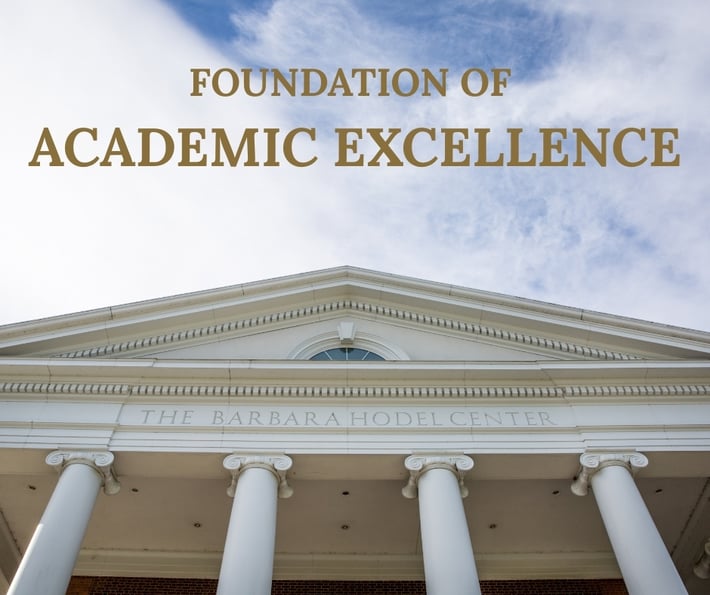
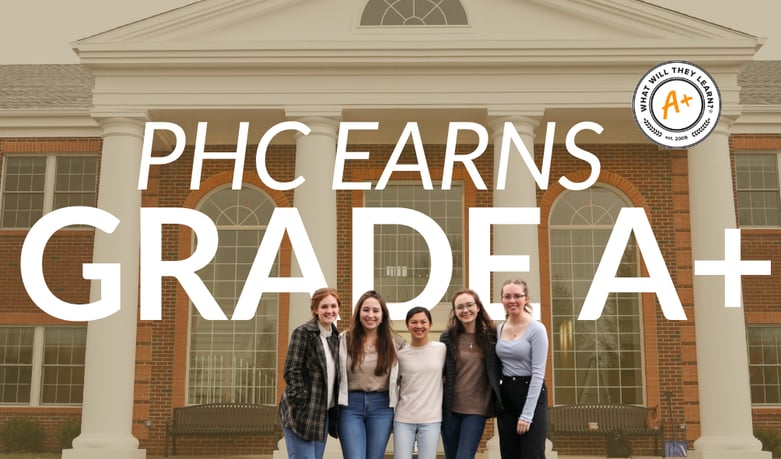
The American Council of Trustees and Alumni (ACTA) has once again awarded PHC an A+ rating, placing PHC among fewer than one percent of colleges and universities nationwide to receive the organization’s highest distinction.
What makes PHC's Core Curriculum unique compared to other colleges?
Hear from PHC alumni as they describe an education that was demanding not simply because of the amount of material they studied, but because of the questions that material required them to ask.

Learning to Ask Better Questions
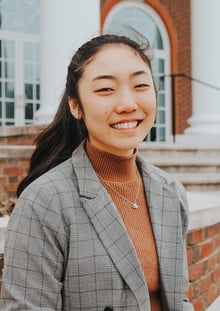 Charity Kim, a 2023 Classical Liberal Arts graduate, said the core challenged assumptions she brought with her to college.
“Freedom’s Foundations I and II surprised me the most,” Kim said. The course traces the Western discussion of freedom from the Greeks and Romans through the American founding.
The breadth of PHC’s core also creates a shared intellectual foundation among students.
Kim said her classmates had “the deepest thinking” she’d ever been exposed to. Because students work through the same foundational texts and ideas, they develop a framework for discussing difficult questions.
“There has been a mantra that we should teach ‘how to think, not what to think,’” Kim said. “But PHC has shown me that I need both.”
 Asriel Greendyk, a 2010 Government graduate, said the core gave her and her fellow alumni a “common vernacular.” Alumni may reach different conclusions on particular questions, she explained, but they share an understanding of the texts and ideas that shaped their education. “We can approach them all in a calm, winsome way,” Greendyk said. “I know we will all approach questions in the same desire to go deep. I don’t always have that with coworkers because they haven’t engaged with topics in the same way or haven’t experienced the same works.”
Preparing Students for Life Beyond PHC
 The benefits of the core become especially evident after graduation, when students begin applying what they learned to unfamiliar problems and new environments.
Greendyk entered the business world after graduation and found that PHC had prepared her well for the demands of her first job with a government contractor. She was often required to enter an unfamiliar field, learn about it quickly, and communicate what she had discovered. “I didn’t feel underprepared at all,” Greendyk said.
The same preparation continues into her work as a mother, wife, and business operator. Her education gave her a broad foundation to build on rather than a narrow set of skills tied to one particular career.
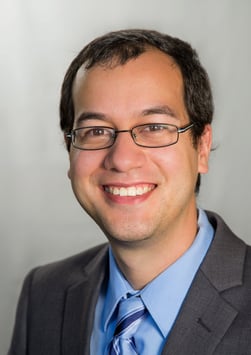 Peter Kamakawiwoole, a 2008 Government graduate who now serves as an adjunct professor of government and forensic coach at PHC, experienced that preparation in the field of law. Kamakawiwoole said that his interest in PHC began partly with its emphasis on communication. During his undergraduate education, students were given extensive opportunities to listen carefully, write, speak, and work through ideas. He actually wrote more papers at PHC than in law school.
PHC’s core also required him to study subjects he might not otherwise have chosen, including science and Greek. Those courses forced him to use different parts of his mind and gave him a breadth of knowledge that later proved valuable. “Having a reference for good literature helps with law since you have to know how to tell stories well,” he said.
More directly, PHC prepared him for the central demands of legal education. “Law school is 90% reading and critical thinking,” Kamakawiwoole said. “You need to be familiar with how words are used and the basic structure. You need to be able to understand concepts.”
This preparation eventually contributed to his current work as director of litigation for the Home School Legal Defense Association. Kamakawiwoole's involvement with HSLDA began through PHC’s Moot Court program, and he now works on court cases involving homeschooling across all 50 states.
An Education Meant to Shape a Life
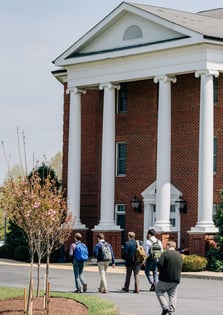 These alumni show how PHC values education compared to most colleges. Greendyk and Kim offer advice to future students considering their educational future.
“Take your time,” Greendyk said. “It’s easy to view college as mechanical, with grades and your GPA. There is so much to learn.”
Kim said, “Ask what kind of person do I want to be? Who was I created to be?” A college that helps you form to that end will prepare you the most.”
That vision lies at the heart of the Patrick Henry College core. Its purpose is not simply to ensure that students encounter a prescribed list of subjects. It is to give them the knowledge, habits, and intellectual framework to continue pursuing truth long after they leave the classroom.
As Kamakawiwoole put it, PHC is “a really close community of people who care about you developing as a person and your character.”
Patrick Henry College exists to glorify God by challenging the status quo in higher education, lifting high both faith and reason within a rigorous academic environment; thereby preserving for posterity the ideals behind the "noble experiment in ordered liberty" that is the foundation of America.