.jpg)
When Sierra Cole arrived at Patrick Henry College this fall, she was joining a community her family had known for more than two decades. Her mother attended PHC, as did several aunts, uncles, and...
Read More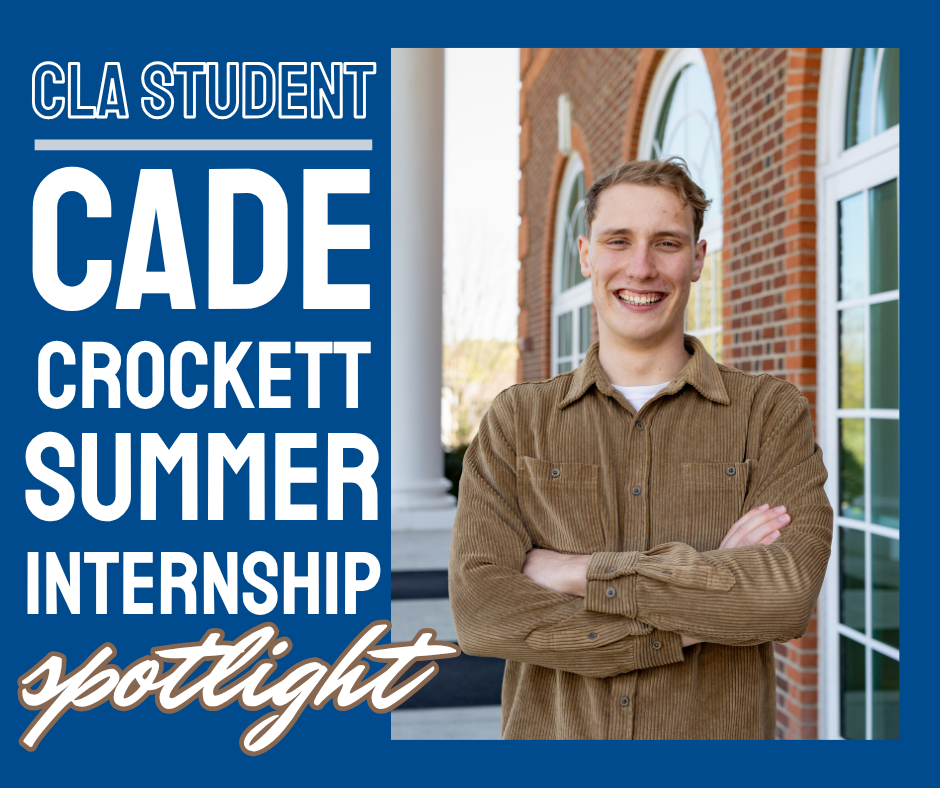
Senior Cade Crockett (Classical Liberal Arts) spent the summer in Tifton, Georgia, interning in the department of financial planning and analysis for Heatcraft Refrigeration Products.
Read More.jpg)

Connor Appelboom, a Journalism major and History minor, interned in the Washington Examiner’s commentary department for 12 weeks during the summer. While most were expected to publish approximately...
Read More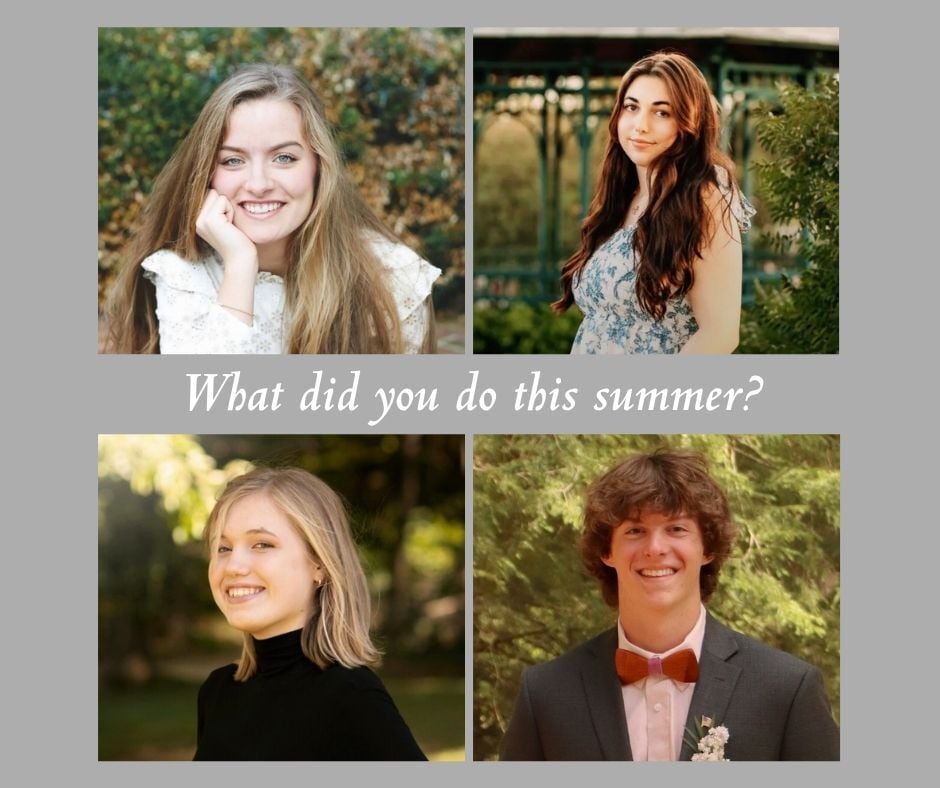
For PHC students, summer often means taking lessons beyond the classroom. This year, students worked in many professional and political settings, gaining firsthand experience in career fields they...
Read More
.jpg)

.jpg)
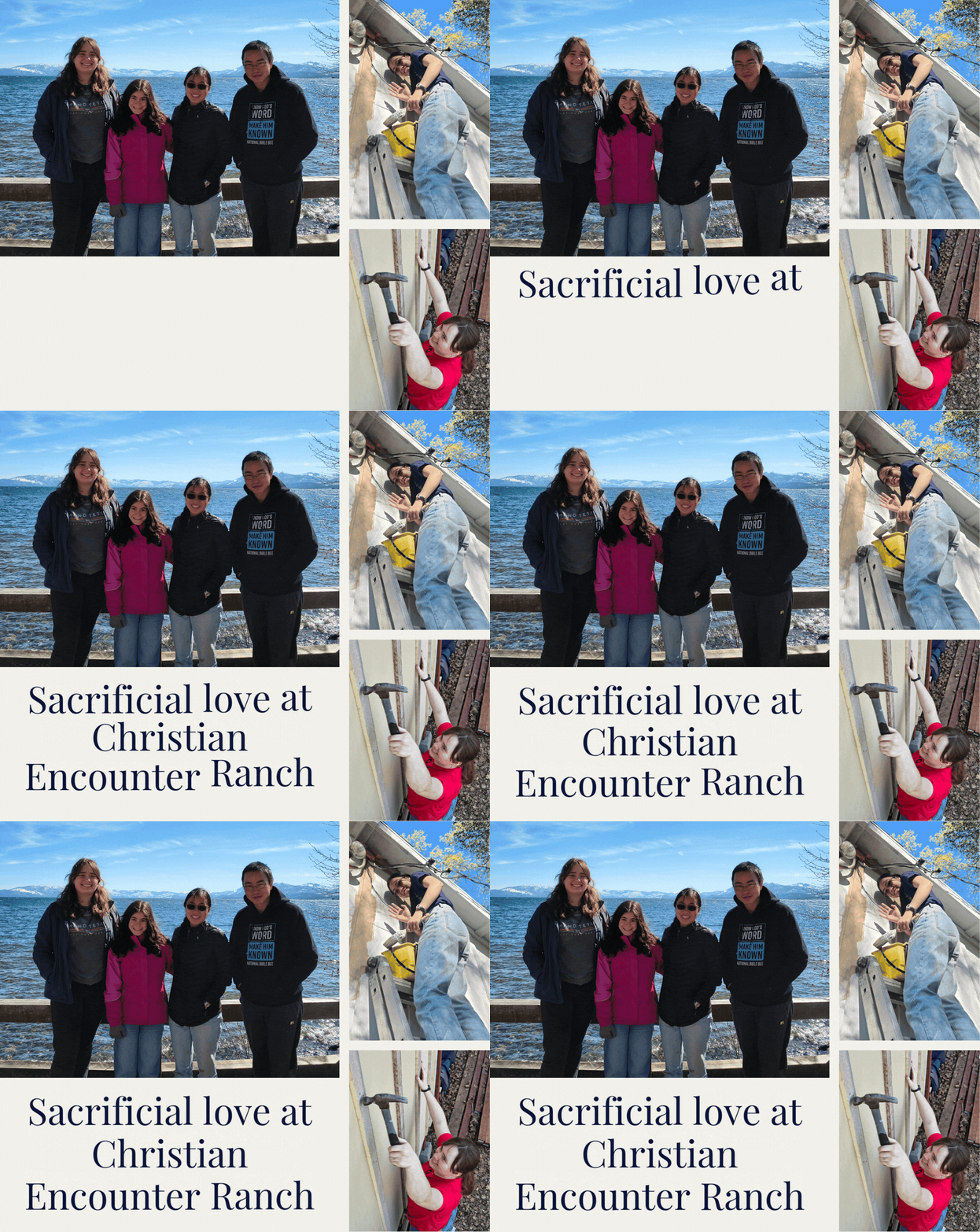
Over Spring Break, five PHC students volunteered to serve at Christian Encounter Ranch (CER), a ranch for at-risk youth in Grass Valley, California. That week, PHC students and the kids at the ranch...
Read More