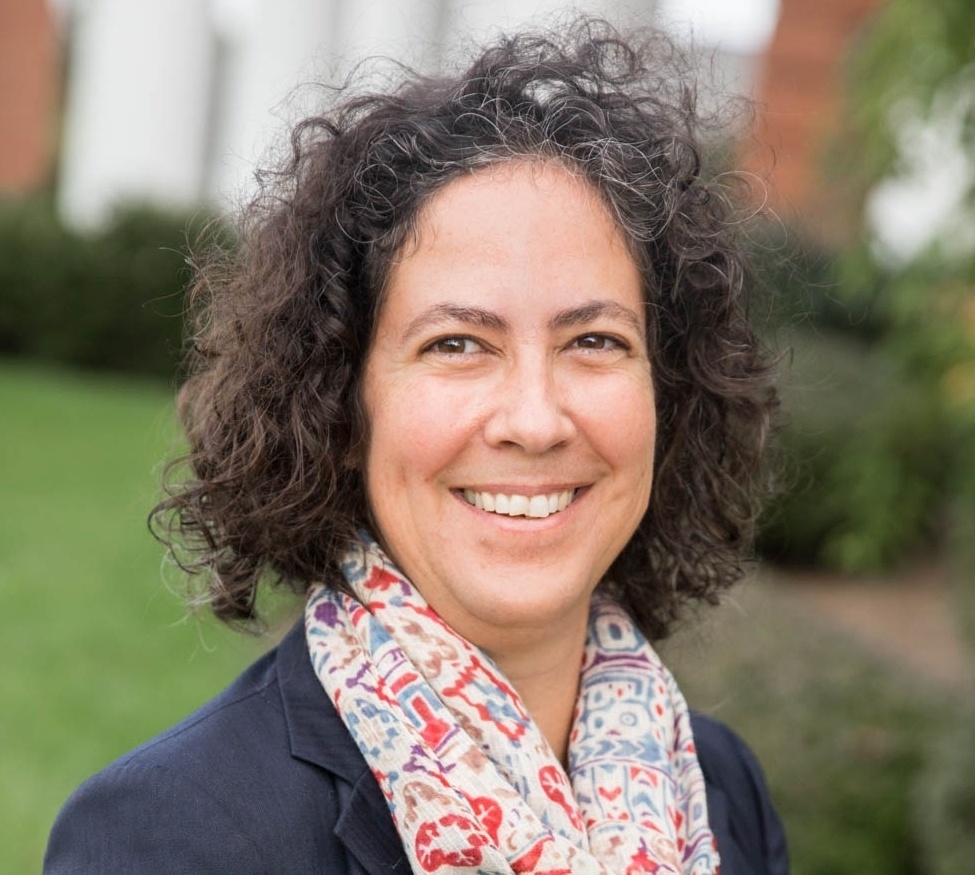
I love the students. They can make connections that are outside their field of study. They're not thinking in a shoe box. Through the classical core, they are taught to incorporate ideas from other classes. Another thing I find so stimulating is each semester's Faith and Reason lecture. They're launching points for discussions, and it comes into the classroom. The students here are smart and articulate--they're well-rounded.
- Tracey McGrath, Ph.D., Assistant Professor of Mathematics
We want our lives to have meaning and to matter, to know that there is a connection between what we do and what becomes of us. Without a framework our lives are a blizzard of disconnected facts and events. But a storyteller says, “Do you want to know what love is? Or courage or greed or compassion? Do you want to know where you came from and where you’re going? Do you want to know why evil stalks the earth? Do you want to know why life changes? Do you want to know what connects you to other people? Let me tell you a story.”
- Les Sillars, Ph.D., Professor of Journalism
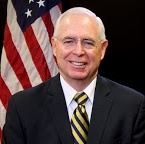
The United States is in a dangerous era in national security, but U.S. intelligence is in trouble and needs leadership with a strong moral base. Our graduates can provide that strong, morally-based leadership our nation needs for the future.
- Col. Gordon R. Middleton, D.S.L., US Air Force, Ret.
The greatest gift God has given us is life, the privilege of participating in his Being as image bearers. The blessing of being at Patrick Henry College is the opportunity to consciously and purposefully participate in the Being of God through the communal study of his creation in all its aspects, significance, and vibrant importance.
- Cory Grewell, Ph.D., Assistant Professor of Literature
Teaching at PHC gives me the chance to help students cultivate God-given musical gifts, better understand the great works of music history and their context, and explore the connections between their faith and the arts, and to inspire students to create more works of art that reflect Christ in culture. PHC is a place in which these intersections of art, faith and life come to life amongst students and faculty in a unique way.
- Kristina Tanner, D.M.A., Adjunct Professor of Music
I love teaching History at PHC because one of the best ways to see God's character is by studying both man's fallen efforts in this world, and God's redeeming mercy and grace. Because PHC students are talented Christ-seekers, our classes are unique "meetings of the mind" for His glory.
- Doug Favelo, Ph.D., Assistant Professor of History





Preparing for the college application process can be daunting. We want to reduce that load for you. Below you will find four helpful steps to prepare yourself for the college application process.
Most students don’t start seriously looking at colleges until their senior year. This means that they are searching for colleges, applying for scholarships, and finishing high school coursework while trying to spend time with friends before graduation.
If you start your search during your sophomore or junior year, even if you don’t have a major in mind and are just browsing, it alleviates a lot of stress. So start early: it helps.
As much as possible, visit colleges that interest you. When you visit, be sure to ask the important questions: “Do you feel safe there?” “Can you call it home for four years?” “Is it a place where you will be able to grow, mature, and learn?” Visiting tells you far more than a website or brochure.
As important as researching colleges is, don’t forget: they will ask for your high school transcript as well. Study hard, pay attention in class, and finish strong. Your admissions counselor will thank you.
Some colleges require you to “lock in” to attend their school if you apply early, so watch for that (this is usually referred to as an “Early Decision” deadline). But if they allow you to apply early without locking you into attending, applying earlier usually gives you a better shot at scholarships. And if you are denied admission by your first choice, you have time to apply to other colleges. So apply early.
To see what PHC’s application process looks like, check out our “Applying to College” page next!

We are committed to working with students to help make one of the nation's finest classical Christian liberal arts educations affordable. Whether you're interested in finding out more about merit-based scholarships or need-based scholarships, the Financial Aid Office can help you determine your eligibility and guide you through the application process. Jenn, Financial Aid Officer, works with prospective and current students and their families to provide counsel concerning the financial aid process.

The best way to get to know PHC is to see it for yourself! We invite you to visit our campus and see what it’s like to join a community that will challenge your mind, sharpen your faith, and clarify and develop your passions.
The first option is a Personal Visit, where you can attend chapel and classes, eat in the dining commons, tour the campus, and speak at length with admissions and financial aid counselors.
The second option is our full-day Open House events, held several times a year, where prospective students can experience the added opportunity of breakout sessions with staff, students, and PHC’s president on student life, educational philosophy, and major programs. Students may also to stay overnight and experience dorm life first-hand.
Register for a visit here!

Applying to PHC will require time and energy (all good things in life do), with each piece showcasing your strengths as an applicant. So to help best present your application to the Review Committee, we will be looking for two short essays, two references, a reading list and activity list, and the standard requirements of test scores and transcripts.
Each piece will take only minutes to complete, and our counselors are standing by to help answer your questions as you go through the process. You can find more information on each piece of the application here, and feel free to check out our YouTube page (starting Summer 2016) for a video series walkthrough of the application!

Upon receipt of your acceptance letter from Patrick Henry College, you are invited to complete the intent to enroll form online. This is your opportunity to indicate your preferences for courses and room assignment.

The best way to get to know PHC is to see it for yourself! We invite you to visit our campus and see what it’s like to join a community that will challenge your mind, sharpen your faith, and clarify and develop your passions.
The first option is a Personal Visit, where you can attend chapel and classes, eat in the dining commons, tour the campus, and speak at length with admissions and financial aid counselors.
The second option is our full-day Open House events, held several times a year, where prospective students can experience the added opportunity of breakout sessions with staff, students, and PHC’s president on student life, educational philosophy, and major programs. Students may also to stay overnight and experience dorm life first-hand.
Register for a visit here!